Totale: $0.00
Tasse e spese di spedizione calcolate al momento del pagamento



Last updated: June 4, 2026
Both nano needling and traditional microneedling create micro-channels in the skin to improve texture, hydration, and overall appearance. However, the depth of penetration and the side effects they cause are quite different. Understanding these differences is especially important if you're considering at-home treatments.
Microneedling uses longer needles (typically 0.5mm–2.5mm) that reach the dermis. While effective for deeper concerns like scars and wrinkles, it comes with more noticeable side effects:
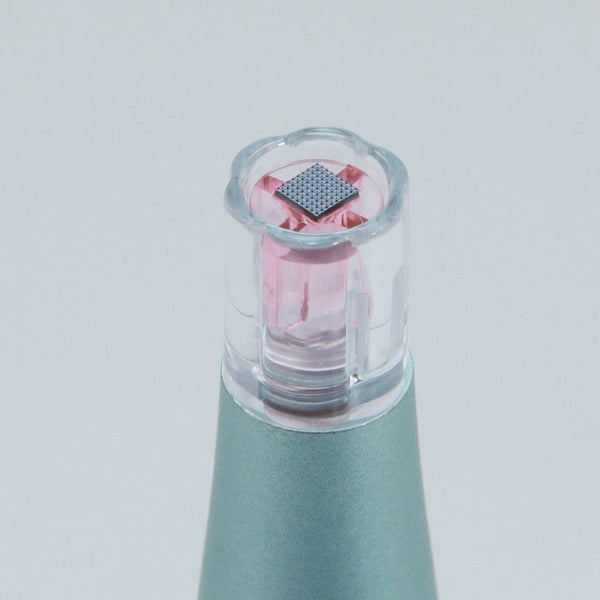
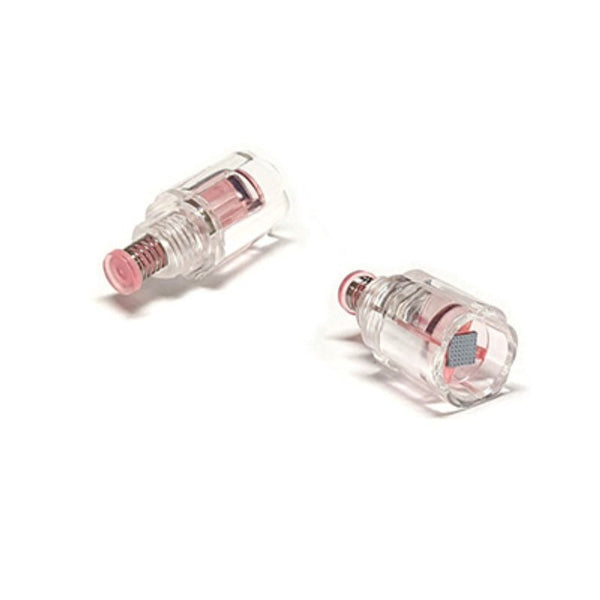
Nano needling works only on the epidermis using ultra-fine silicon tips ( 0.15-0.5mm). This makes it significantly gentler:
| Aspect | Microneedling | Nano Needling (NDP) |
|---|---|---|
| Needle Depth | 0.5mm – 2.5mm (reaches dermis) | 0.15-0.5mm (epidermis only) |
| Downtime | 1–3 days | Usually none (a few hours) |
| Best For | Scars, deep wrinkles, skin tightening | Serum absorption, hydration, daily glow |
| Pain Level | Moderate to high | Minimal to none |
| Suitable for At-Home Use | Generally better suited for trained professionals | Yes, with a proper device like the NDP Nano Derma Pen |
If you're looking for a treatment you can do regularly at home without disrupting your routine, nano needling is significantly safer and more practical. Traditional microneedling is better suited for professional clinic settings when deeper skin remodeling is needed. Learn more in our detailed guide: Nano Needling vs Microneedling.
Looking for a gentle at-home nano needling solution?
Shop NDP Nano Derma Pen Kits →
Nano needling is ideal for people who want to improve serum absorption, maintain hydration, or add a gentle boost to their daily skincare routine without downtime. It is also suitable for those with sensitive skin who prefer a less invasive option than traditional microneedling.
Nano needling is generally painless because the ultra-fine silicon tips do not penetrate deeply into the skin.
Most users do not experience breakouts. To minimize risk, always clean both your device and skin thoroughly before and after each use.
For at-home use, 1–3 times per week is generally recommended, depending on your skin type and sensitivity.
Yes. Devices like the NDP Nano Derma Pen use ultra-fine medical-grade silicon tips that are suitable for sensitive skin.
Hydrating serums containing hyaluronic acid, peptides, or antioxidants work best. Avoid using strong active ingredients like retinol or acids for at least 24 hours after treatment.